
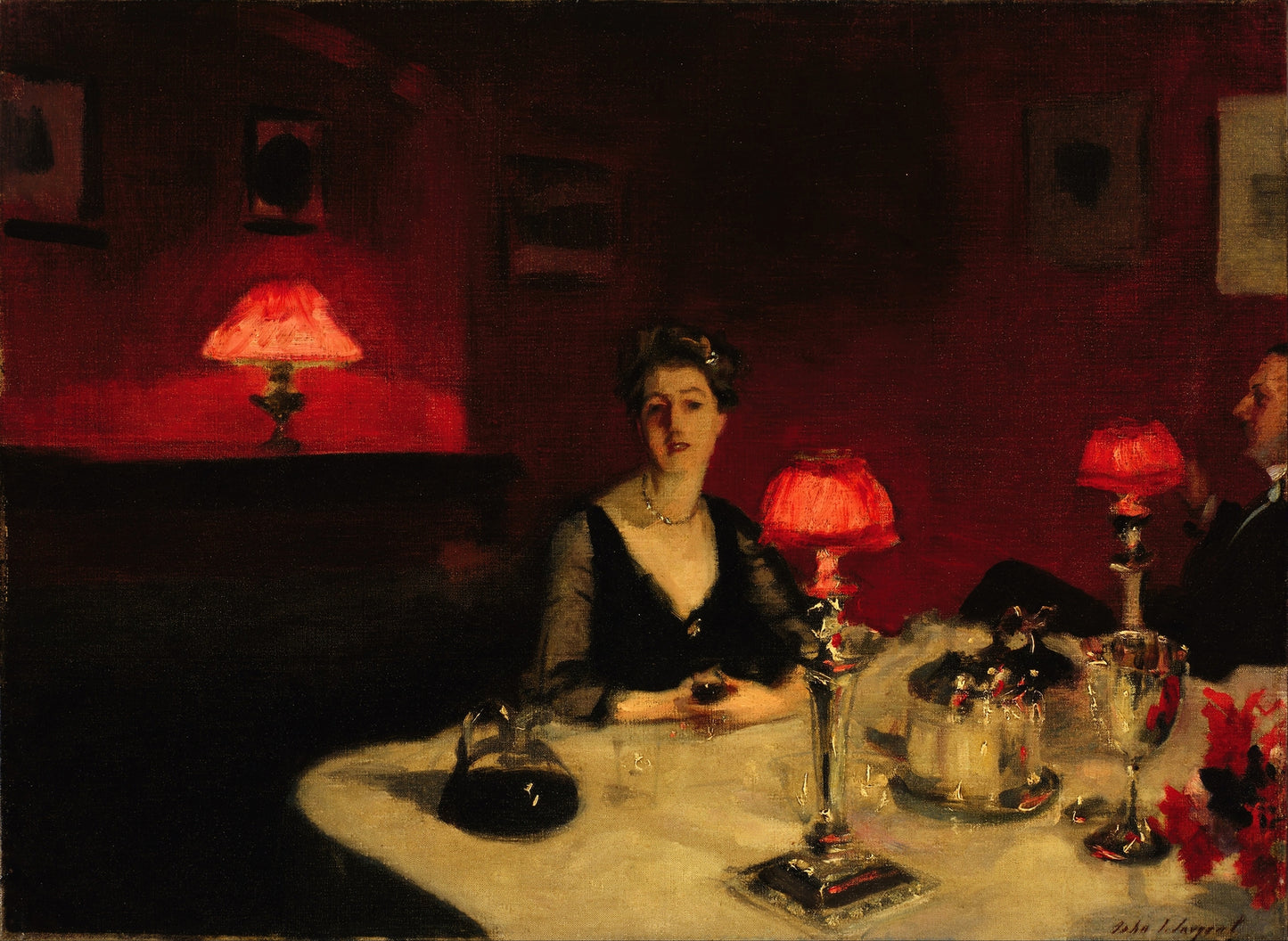
Sargent painted Le Verre de Porto in 1884, during a visit to the Sussex countryside to paint a formal portrait of Edith Vickers. This is one of the informal pictures he made during the same stay. Edith sits at the center of a candlelit dining table, looking directly at the viewer, while her husband Albert is half-cropped at the right edge of the canvas, smoking a cigar. The table has been cleared and port has been brought in — crystal, silver, and red flowers catch the pink glow of two shaded lamps. The painting is designed to look unposed, as if Sargent just happened to be sitting across from them at that moment. It's now in the Fine Arts Museums of San Francisco.
See Also

Tapestry of the Apocalypse (Death)
Hennequin de Bruges

Tatry
Zolo Palugyay

Tatra Landscape
Zolo Palugyay

Evening Landscape
Ladislav Mednyánszky
Spring Rains
Victor Higgins
Agnus Dei
Francisco de Zurbarán
The Fog Warning
Winslow Homer
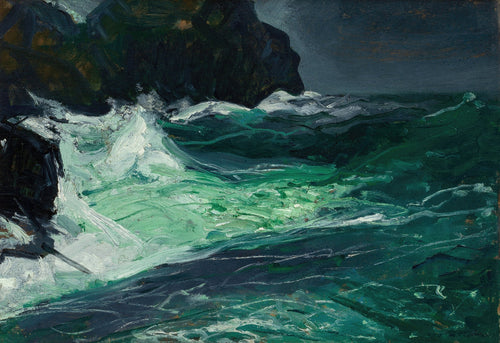
Storm Sea
George Wesley Bellows
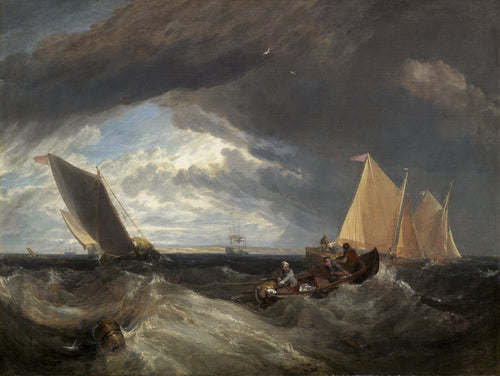
The Junction of the Thames and the Medway
J.M.W. Turner
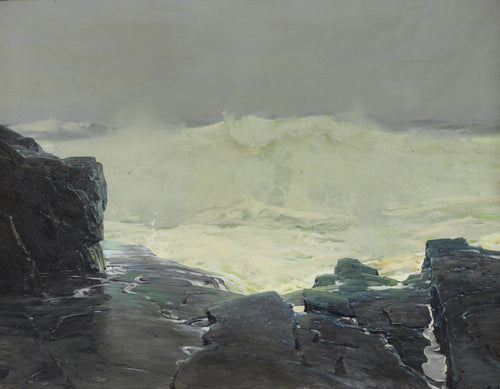
Surf and Fog, Monhegan, Maine
Frederick Judd Waugh
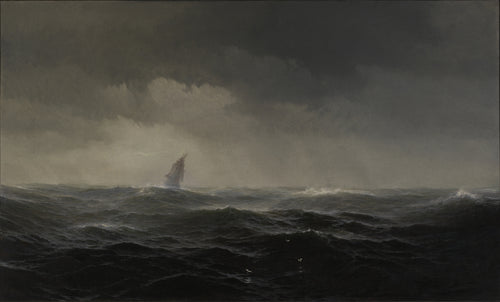
The Sea
Edward Moran
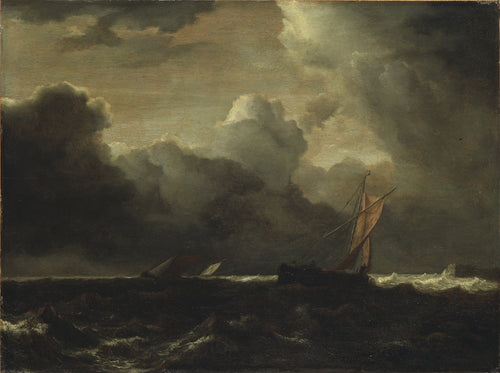
Storm Clouds over the Sea
Jacob van Ruisdael
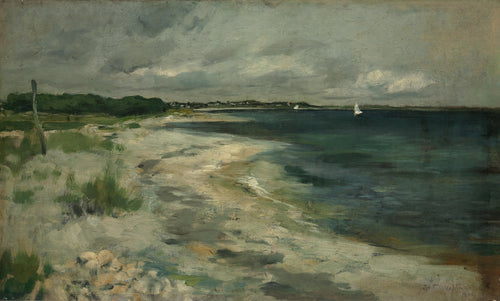
Storm Clouds
John Henry Twachtman
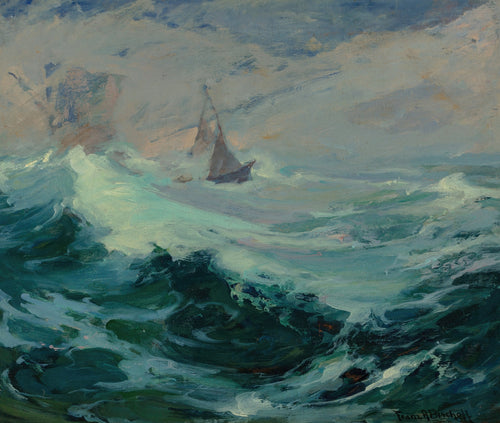
Sailing on a Stormy Sea
Franz Bischoff
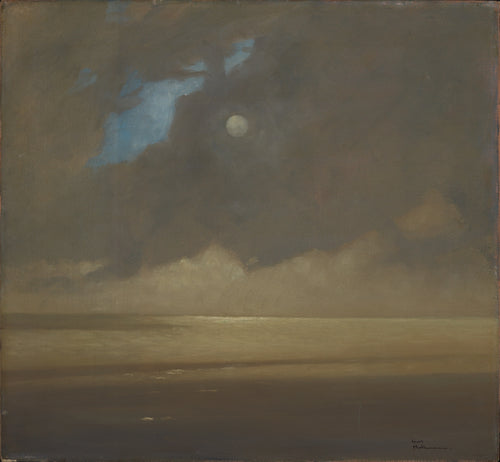
Morgennebel am Bodensee
Carl Hollmann
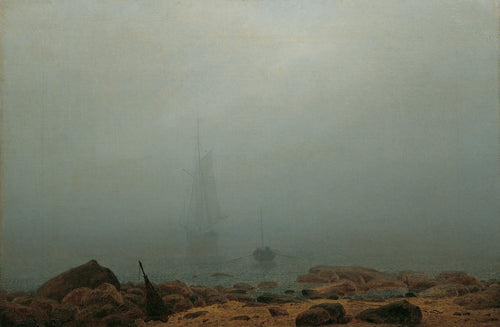
Meeresstrand im Nebel
Caspar David Friedrich
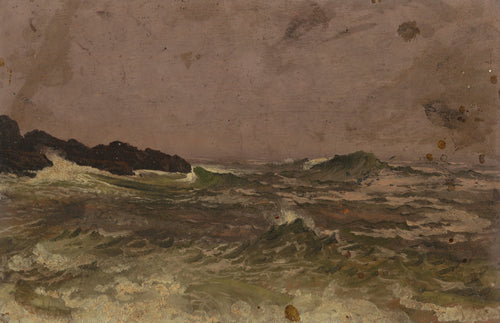
Maine Coast
Frederic Edwin Church
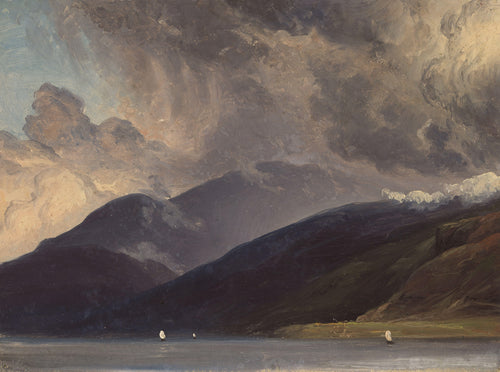
From Balestrand at the Sognefjord
Thomas Fearnley
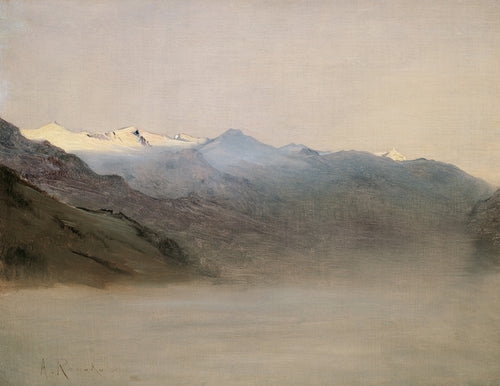
Das Gasteinertal im Nebel
Anton Romako

Cutter Close Hauled in a Fresh Breeze
Charles Brooking

Approaching Storm (1938)
Robert P. Archer

Approaching Thunder Storm
Martin Johnson Heade
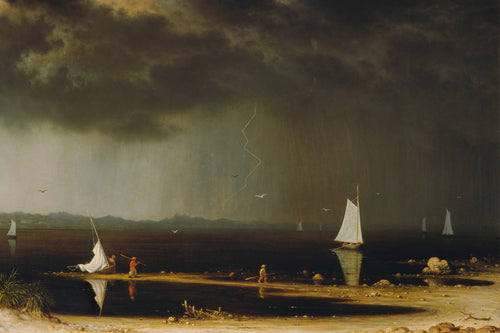
Thunder Storm on Narragansett Bay
Martin Johnson Heade
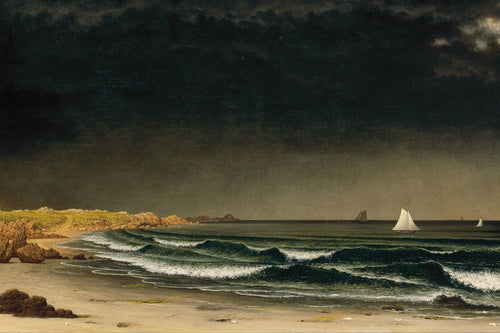
Approaching Storm, Beach near Newport
Martin Johnson Heade

Seascape
Jean Brusselmans

The Sierra De Guadarrama
Joaquín Sorolla

Still Life with a Lemon and pink Roses
Cornelis Kick

Still Life with a Hanging Bunch of Grapes, Two Medlars, and a Butterfly
Adriaen Coorte

Hudson Valley I
Arthur B. Davies

Landscape at Nettuno
Hans Speckter

Still Life with Meat, Fish, Vegetables, and Fruit
Jacob van Hulsdonck

Adam and Eve
Franz von Stuck

A Sottobosco with Mushrooms, Butterflies, a Dragonfly, a Snake and a Lizard
Otto Marseus van Schrieck

Three Peaches on a Stone Ledge with a Painted Lady Butterfly
Adriaen Coorte

Moonrise (1887)
George Inness

Herbstlandschaft
Toni von Stadler

Effet de lumière au cœur d’une tempête en mer
Théodore Gudin

Harmonie lunaire
Alphonse Osbert

The Garden II
Pierre Bonnard

Vue sur Antibes
Pierre Bonnard

Design for Embroidered Motifs (Fabrique de St. Ruf)
Unknown Artist

Landscape from Turne
Ľudovít Čordák

Wild Flowers
John Henry Twachtman

Flowers
John Henry Twachtman

Mademoiselle Suzanne Poirson
John Singer Sargent

Paysage aux Arbres Fruitiers
Pierre Bonnard

Jardin au Bord de la Seine
Pierre Bonnard
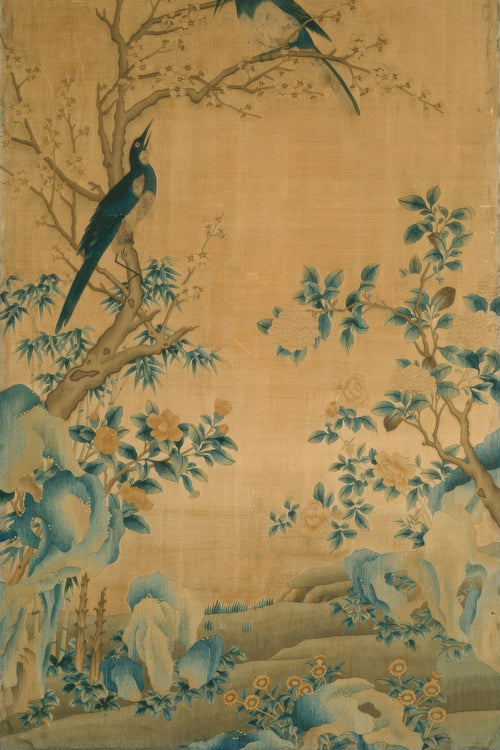
Panel Furnishing Fabric, Qing Dynasty
Unknown Artist
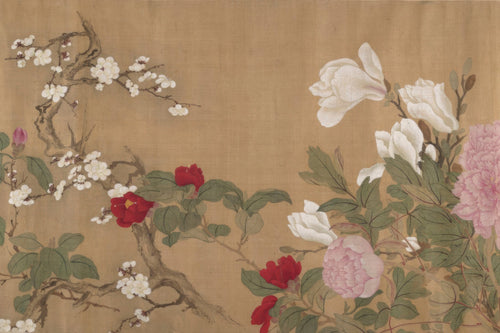
One Hundred Flowers
Unknown Artist
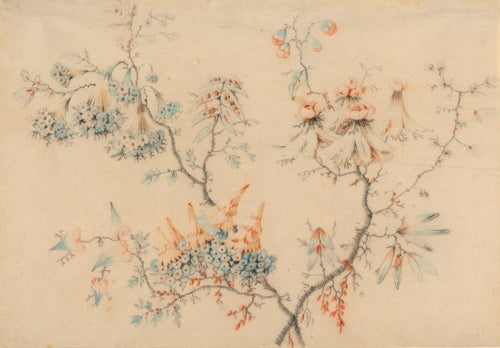
Flowering Branches
Jean-Baptiste Pillement
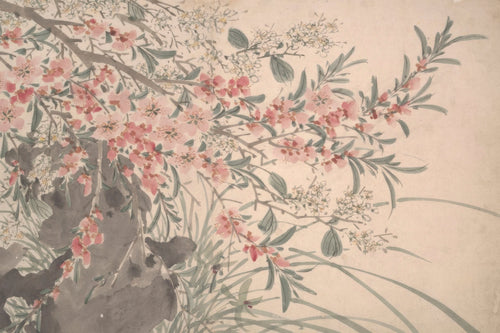
Garden Flowers (c. 1540)
Unknown Artist
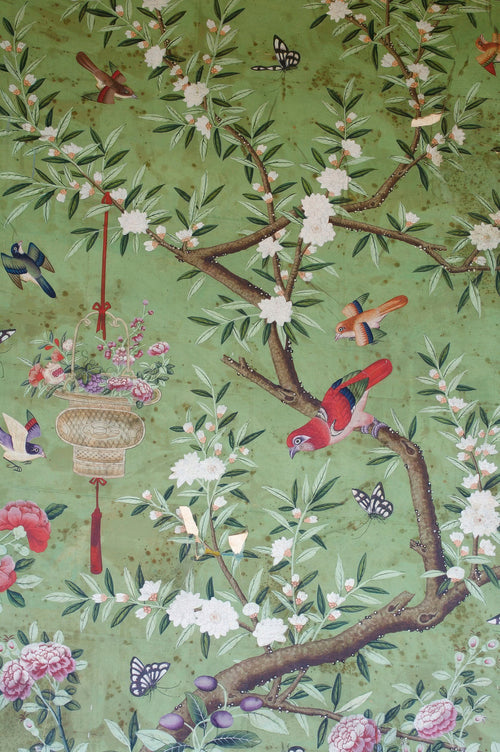
Chinoiserie Wallpaper
Unknown Artist
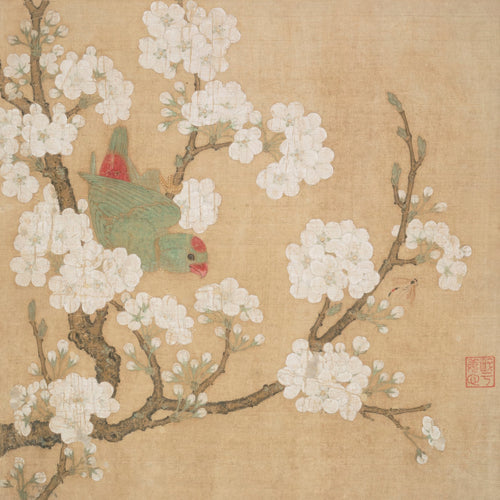
Parrot and Insect among Pear Blossoms
Huang Jucai
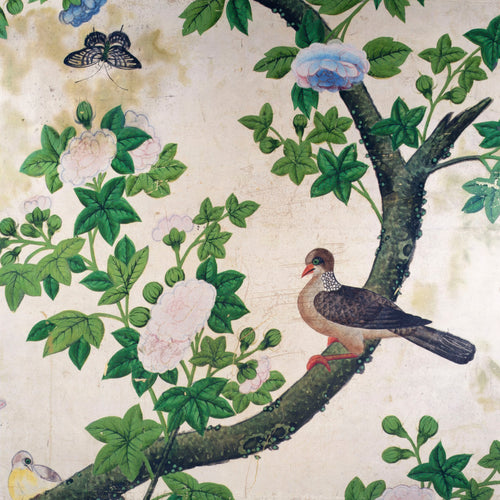
Bird Wallpaper (c. 1840)
Unknown Artist
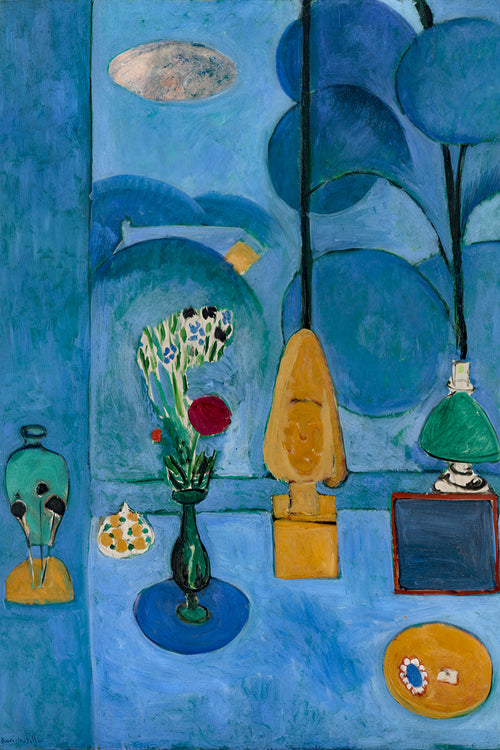
The Blue Window
Henri Matisse
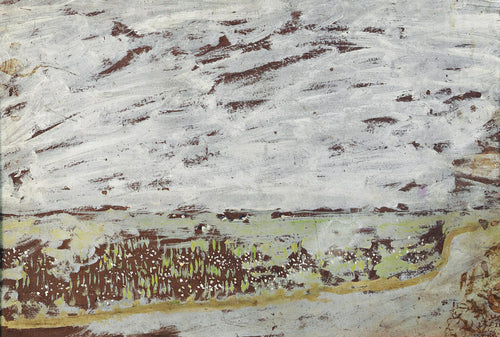
Les bords de la Tocques à Pont-l'Évêque
Édouard Vuillard
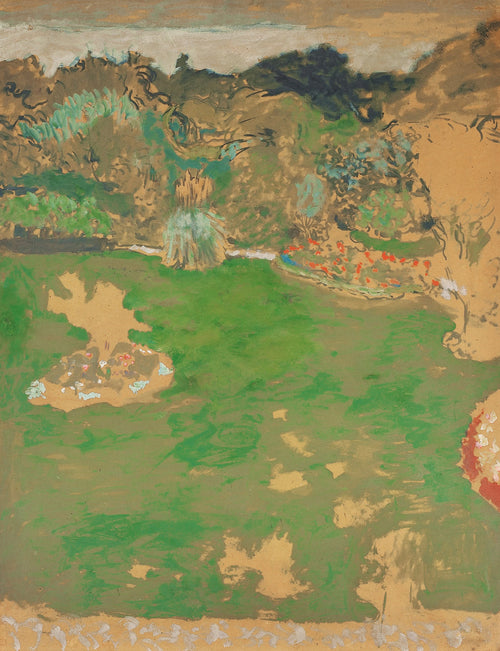
Le Parc
Édouard Vuillard
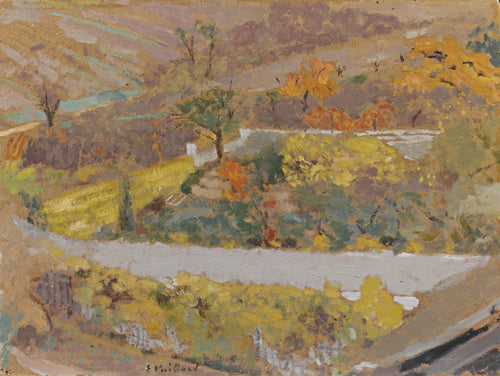
Landscape at L'Étang-la-Ville
Édouard Vuillard
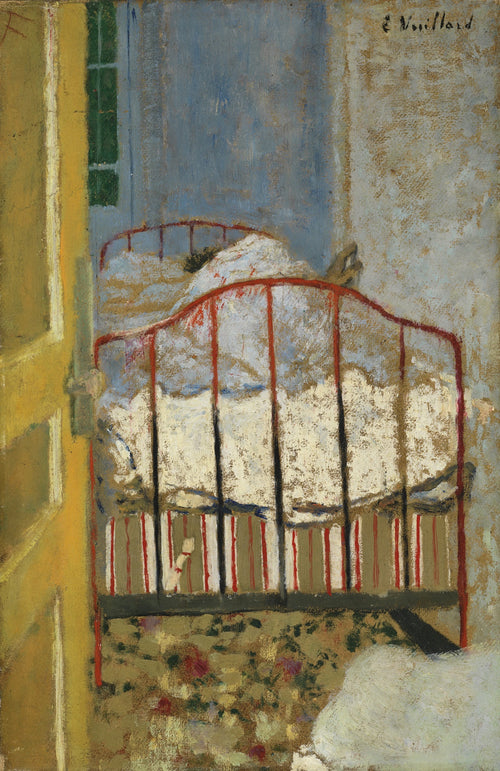
Intimité
Édouard Vuillard

La gavotte
André Derain

Trois nymphes se baignant
André Derain

Étude pour une céramique, Urne
André Derain

Étude pour "L'Âge d'Or"
André Derain

Femmes au jardin
Émile Othon Friesz

Deux femmes nues au bord de l'eau
Émile Othon Friesz

Nu étendu sur un canapé
Édouard Vuillard

Vétheuil
Raoul Dufy

Nu renversé à la draperie
Raoul Dufy

Bouquets aux amaryllis
Raoul Dufy

Léda et le cygne
Raoul Dufy

La chambre à Nice
Raoul Dufy

Nu au coquillage
Raoul Dufy

Femme à la coquille
Raoul Dufy

Sea Horse
Raoul Dufy

Atelier au torse
Raoul Dufy

Diana and Actaeon
Andreas von Behn

La Nourrice
Édouard Vuillard

The Seamstress
Édouard Vuillard

On the Sofa, The White Room
Édouard Vuillard

Misia in the Woods
Édouard Vuillard

Marine
Édouard Vuillard

Le Jardin des Tuileries
Édouard Vuillard

Birches at L'Étang-la-Ville
Édouard Vuillard

Sylvan Idyll
Arthur B. Davies

Nymphs in a Landscape
Arthur B. Davies

Undergrowth
Henri Matisse


Our Process
Every piece in the archive goes through a deliberate process — part historian, part designer, part obsessive.
The thrill of the hunt
We pull from institutional archives, digitized collections, and the deep corners of the art world to find pieces that are both culturally and visually relevent, yet underexplored. We skip the hyper trendy pieces (looking at you, Matisse cutouts) in favor of niche work with a good story.
Context is everything
We dig into the provenance, history, and context around each piece — the artist, the period, the story that makes it worth living with. You don't have to be an art historian to appreciate knowing the who/what/why of a work of art, and it makes it that much more satisfying to live with every day.
Where a scan becomes a print
Institutional scans are often remarkable, but they're also imperfect: color casts from old photography, dust and scratches from the scanning bed, compression artifacts, uneven lighting across a large canvas. What we don't touch is the painting itself — the craquelure, the patina, the brushwork, the small marks of time that make a 200-year-old work look 200 years old. We restore the photograph of the painting, not the painting.
A careful eye
Color is adjusted with restraint. We reference historical materials when possible and avoid over-saturation or heavy-handed edits. The aim is a result that feels balanced, natural, and consistent with how the work was intended to be seen.
We don't do guesswork
Each piece is reviewed at print size to ensure clarity, contrast, and overall quality. Small issues become obvious at scale, so we take the time to catch them before anything is produced.


Common Questions
Giclée (zhee-clay) is a fine art printing process using archival pigment inks on museum-quality paper. The colors are richer, the detail is sharper, and the prints are rated to last 100+ years without fading. It's the same method used by galleries and museums for exhibition-quality reproductions.
All unframed prints are produced on heavyweight, acid-free fine art paper with a subtle matte finish.
Check the size guide on the Print + Frame guide page — it shows all available sizes to scale. General rule: go bigger than you think. For above a sofa, you want the art to be about two-thirds the width of the furniture below it.
Some cropping may occur depending on the aspect ratio of the original artwork and the size you select. Each size is adjusted differently—some preserve more of the original image, while others require a closer crop. We use our expertise to crop each piece in a way that maintains the integrity of the composition.
Our preview tool above gives a general sense of how the piece will look at different sizes, but it crops from the center and may not reflect the final composition exactly. If you’d like to confirm how a specific size will be cropped, feel free to reach out—we’re happy to help.
Our frames are solid oak or metal with a clean, modern profile. Oak frames are available in Natural Oak, Walnut, Black, and White. Metal frames are available in Gold, Silver, White, and Black. Matted options use an acid-free mat with a standard reveal. Every framed print arrives ready to hang. For frame dimensions and specs, please see our Print + Frame guide page.
Framed prints come with hanging hardware attached. Use two picture hooks for anything 18×24 or larger for the most secure hold. For unframed prints, we recommend taking them to a local frame shop — they'll cut a mat and mount it properly.
Orders are printed to order and typically ship within 3–5 business days. Delivery within the continental US usually takes an additional 3–4 business days.
We currently ship unframed prints internationally. Framed prints are only available within the US.
Reach out within 14 days and we'll take care of it. Please see our Shipping + Returns page for more information.
Because every print is made to order, we can't accept returns or exchanges. If you're unsure about sizing, check the size guide on the Framing page or get in touch — we're happy to help you decide before you buy.